How to print barcodes on packaging
In the world of packaging, barcodes are not just random lines and numbers; they are a crucial element that streamlines the shopping process, inventory management, and provides key information about the product to both retailers and consumers. As a Packaging Printing supplier, I understand the ins and outs of barcode printing on packaging. In this blog, I’ll walk you through the entire process, sharing tips and best – practices to ensure high – quality barcode printing. Packaging Printing
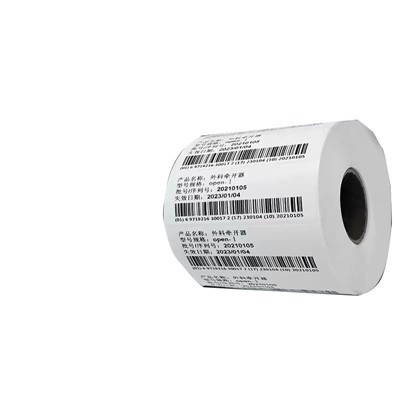
Understanding Barcodes
Before diving into the printing process, it’s essential to understand what barcodes are. A barcode is a visual representation of data, typically numbers and sometimes letters, in a machine – readable format. There are different types of barcodes, but the most common ones are the Universal Product Code (UPC) and the European Article Number (EAN).
UPC barcodes are mainly used in the United States and Canada, while EAN barcodes are widely used in Europe and other parts of the world. Another type, the QR code, is two – dimensional and can store much more information such as website URLs, product descriptions, and even multimedia content.
When a customer scans a barcode at the checkout counter, the scanner reads the unique code and retrieves the corresponding product information from the retailer’s database, including the price and description.
Designing the Barcode
The first step in printing barcodes on packaging is designing them correctly. Accuracy is of utmost importance during the design phase. A single incorrect barcode can lead to inventory discrepancies, pricing errors, and customer dissatisfaction.
To start, you need to obtain the correct barcode number. If you’re selling a product in multiple regions, you may need both UPC and EAN codes. You can acquire these official barcode numbers from organizations like GS1, which is the global authority for barcoding standards.
Once you have the barcode number, you can use barcode – generating software. Most graphic design software like Adobe Illustrator also has features to create barcodes easily. When designing, make sure to follow the specifications provided by the barcode standardization body. For example, there are specific requirements for barcode height, width, and the space between the bars and numbers.
It’s also important to consider the location of the barcode on the packaging. It should be placed in a prominent and accessible area that is easy for scanners to read. Avoid placing the barcode near seams, corners, or areas that may be prone to damage.
Choosing the Right Printing Method
As a Packaging Printing supplier, I offer a variety of printing methods for barcode application, each with its own advantages and limitations.
- Thermal Transfer Printing: This method is suitable for labels that require high – quality, durable barcodes. It uses a thermal print head to transfer ink from a ribbon onto the label material. Thermal transfer printing produces sharp, long – lasting barcodes that can withstand harsh environmental conditions, such as exposure to moisture, chemicals, and friction. It’s commonly used in industries like logistics, healthcare, and manufacturing.
- Inkjet Printing: Inkjet printers are a versatile option for barcode printing on packaging. They can print directly onto the packaging material, whether it’s paper, cardboard, or plastic. Inkjet printing allows for variable data printing, which means you can print different barcodes on each package. This is useful for products that require unique identification, such as serialized items or promotional campaigns. Inkjet printers come in different types, from small – scale desktop models to large – scale industrial ones.
- Offset Printing: Offset printing is suitable for large – volume barcode printing on packaging. It offers high – quality results with consistent color and sharpness. In offset printing, the image of the barcode is transferred from a printing plate to a rubber blanket and then onto the packaging material. This method is great for producing barcodes on paper – based packaging, such as boxes and cartons. However, setup costs for offset printing can be relatively high, so it’s more economical for large – quantity orders.
- Flexography: Flexography is a popular method for printing on a variety of packaging substrates, including flexible materials like plastic films and labels. It uses a flexible relief plate to transfer ink onto the packaging surface. Flexography is known for its high – speed printing capabilities, making it ideal for large – scale production. It can also produce high – quality barcodes with good resolution.
Selecting the Appropriate Packaging Material
The choice of packaging material can significantly impact the readability and durability of the barcode. Different materials have different surface characteristics that affect how the barcode is printed and scanned.
- Paper – Based Materials: Paper is one of the most common packaging materials. It is easy to print on and offers good barcode readability. However, paper is susceptible to damage from moisture, tearing, and abrasion. To enhance the durability of barcodes on paper – based packaging, you can use coatings or laminations. For example, a clear gloss coating can protect the barcode from smudging and provide a smooth surface for better scanning.
- Plastic Materials: Plastic is widely used in packaging due to its durability, flexibility, and transparency. However, printing barcodes on plastic can be more challenging because of the smooth and non – porous surface. Special inks and printing techniques may be required to ensure good adhesion and readability. Some plastics may also have static electricity, which can attract dust and interfere with barcode scanning. Anti – static treatments can be applied to prevent this issue.
- Metal and Glass: Printing barcodes on metal or glass requires specialized printing methods. For metal, techniques like engraving or screen – printing may be used. On glass, ceramic inks can be fired onto the surface to create permanent barcodes. These materials are more commonly used for high – end products or products that require extra protection.
Quality Control
Quality control is a critical part of the barcode printing process. A poorly printed barcode can lead to scanning errors, which can cause delays at the checkout counter and impact inventory management.
- Barcode Testing: Before mass – producing barcodes on packaging, it’s important to conduct barcode testing. There are barcode verification tools available that can measure the quality of the barcode based on international standards. These tools check factors such as barcode height, width, contrast, and edge clarity. A barcode should meet the required grade (usually a minimum of Grade C) to ensure reliable scanning.
- Visual Inspection: In addition to barcode testing, visual inspection is also necessary. Look for any signs of smudging, bleeding, or misalignment of the barcode. Check that the numbers below the barcode are clear and legible. Randomly sample finished packaging products to ensure consistent barcode quality throughout the production run.
- Scanning Verification: You can also perform scanning verification using a handheld barcode scanner or a stationary scanner in a simulated retail environment. This will help you identify any potential issues with barcode readability before the products reach the market.
Working with a Professional Packaging Printing Supplier
As you can see, printing barcodes on packaging involves many technical aspects. Working with a professional Packaging Printing supplier like us can make the process much easier and more efficient.
- Expertise: We have in – depth knowledge of barcode standards, printing methods, and packaging materials. Our team of experts can help you choose the right barcode type, design it correctly, and select the most suitable printing method for your packaging.
- Quality Assurance: We have strict quality control measures in place to ensure that every barcode printed on your packaging meets the highest standards. From barcode testing to visual inspection, we take every step necessary to guarantee reliable barcode scanning.
- Customization: We understand that every product has unique requirements. Whether you need a simple UPC barcode or a complex QR code with variable data, we can provide customized solutions to meet your specific needs.

If you’re in the market for high – quality barcode printing on your packaging, we’re here to help. Our team of professionals is ready to assist you from the initial design phase to the final production. We offer competitive pricing, fast turnaround times, and excellent customer service.
Paper Products Don’t hesitate to reach out to us for a quote or to discuss your packaging printing needs. Let’s work together to create packaging that not only looks great but also ensures seamless barcode scanning for your products.
References
- GS1. The Global Standards One Source for GS1 Standards.
- ISO/IEC 15416. Barcode symbology specifications – EAN/UPC.
- ISO/IEC 18004. Information technology – Automatic identification and data capture techniques – QR Code bar code symbology specification.
Rugao City Printing Co., Ltd.
As one of the most experienced packaging printing manufacturers and suppliers in China, we also support customized service. Please feel free to wholesale bulk high quality packaging printing for sale here from our factory. For quotation, contact us now.
Address: No. 259, Liyu Road, Rugao City, Jiangsu Province
E-mail: rgsycxp@163.com
WebSite: https://www.rugaoprinting.com/
