Tilting pad thrust bearings are a vital component in various industrial applications, offering high load – carrying capacity, excellent stability, and the ability to adapt to misalignment. As a supplier of tilting pad thrust bearings, I often get asked about their potential use in aerospace applications. In this blog, we’ll explore whether tilting pad thrust bearings can be used in the aerospace sector, considering the unique requirements and constraints of this field. Tilting Pad Thrust Bearings

The Basics of Tilting Pad Thrust Bearings
Before diving into aerospace applications, it’s essential to understand what tilting pad thrust bearings are. These bearings consist of a series of individual pads that are free to tilt around a pivot point. The pads are typically arranged in a circular pattern and are designed to support axial loads. When a load is applied, the pads tilt to form a wedge – shaped oil film between the pad and the rotating surface. This oil film provides lubrication, reduces friction, and helps in dissipating heat.
The key advantages of tilting pad thrust bearings include their ability to handle high axial loads, their self – aligning nature, and their relatively low friction compared to some other types of bearings. These features make them suitable for applications where reliability and performance are crucial.
Requirements in Aerospace Applications
Aerospace applications have some of the most stringent requirements in the engineering world. Weight is a critical factor, as every extra kilogram can increase fuel consumption and reduce the aircraft’s range. Components need to be lightweight without compromising on strength and durability.
Reliability is also of utmost importance. In an aerospace environment, a bearing failure can have catastrophic consequences. Therefore, bearings must be able to operate effectively under extreme conditions, including high temperatures, vibrations, and rapid changes in speed and load.
Another requirement is compactness. Space within an aircraft is limited, and components need to be designed to fit into tight spaces without sacrificing functionality. Additionally, aerospace components need to meet strict regulatory and safety standards set by organizations such as the Federal Aviation Administration (FAA) in the United States and the European Union Aviation Safety Agency (EASA).
Advantages of Using Tilting Pad Thrust Bearings in Aerospace
There are several reasons why tilting pad thrust bearings could potentially be a good fit for aerospace applications:
High Load – Carrying Capacity
Aerospace equipment often experiences high axial loads, especially in engines and landing gear systems. Tilting pad thrust bearings are known for their ability to handle significant axial loads. Their design allows for the distribution of the load across multiple pads, reducing the stress on each individual pad and increasing the overall load – carrying capacity of the bearing.
Self – Aligning Nature
In an aerospace environment, components may experience misalignment due to thermal expansion, vibration, or manufacturing tolerances. The self – aligning feature of tilting pad thrust bearings allows them to adapt to these misalignments without compromising performance. This can help in reducing wear and tear on the bearing and other associated components, increasing the overall reliability of the system.
Low Friction
Friction in bearings can lead to energy loss, heat generation, and wear. Tilting pad thrust bearings have relatively low friction compared to some other types of bearings, which can result in energy savings. In an aerospace context, even small energy savings can translate into significant fuel savings over the life of an aircraft.
Challenges of Using Tilting Pad Thrust Bearings in Aerospace
However, there are also several challenges that need to be addressed before tilting pad thrust bearings can be widely used in aerospace applications:
Weight
As mentioned earlier, weight is a major concern in aerospace. Traditional tilting pad thrust bearings can be relatively heavy due to the materials used and their design. To be suitable for aerospace applications, these bearings would need to be redesigned to reduce weight without sacrificing their performance characteristics. This could involve using lightweight materials such as titanium or advanced composites, but these materials may also come with their own challenges in terms of manufacturing and cost.
Lubrication
Proper lubrication is essential for the operation of tilting pad thrust bearings. In an aerospace environment, the lubrication system needs to be reliable and efficient. The lubricant needs to be able to withstand high temperatures and provide adequate protection against wear. Additionally, the lubrication system should be designed to minimize weight and space requirements. Developing a lubrication system that meets these requirements for tilting pad thrust bearings in aerospace applications can be a complex task.
Manufacturing Complexity
Tilting pad thrust bearings are relatively complex to manufacture compared to some other types of bearings. The precision required in manufacturing the individual pads and the pivot points is high. In the aerospace industry, where quality control is extremely strict, ensuring the consistent manufacturing of high – quality tilting pad thrust bearings can be a challenge.
Current and Potential Applications in Aerospace
Despite the challenges, there are some potential areas in aerospace where tilting pad thrust bearings could be used:
Jet Engines
Jet engines are a critical component of an aircraft, and they experience high axial loads. Tilting pad thrust bearings could potentially be used in the engine’s compressor and turbine sections to support the axial loads generated by the rotation of the engine components. Their ability to handle high loads and adapt to misalignment could contribute to the overall reliability and performance of the engine.
Landing Gear Systems
Landing gear systems are another area where tilting pad thrust bearings could find application. These systems need to support the weight of the aircraft during landing and takeoff, and they also experience significant shock loads. The high load – carrying capacity and self – aligning nature of tilting pad thrust bearings could make them suitable for use in landing gear actuators and other critical components.
Research and Development Efforts
To overcome the challenges associated with using tilting pad thrust bearings in aerospace applications, significant research and development efforts are underway. Researchers are exploring new materials that can reduce the weight of the bearings while maintaining their strength and durability. For example, some studies are looking at the use of ceramic – matrix composites, which have high strength – to – weight ratios and good resistance to high temperatures.
In terms of lubrication, new lubricants are being developed that can perform better under the extreme conditions found in aerospace applications. These lubricants may have improved anti – wear properties, higher temperature resistance, and better compatibility with the new materials being considered for the bearings.
Cost – Benefit Analysis
One of the key considerations for any aerospace component is the cost – benefit analysis. Developing and implementing tilting pad thrust bearings in aerospace applications will require significant investment in research, development, and manufacturing. However, the potential benefits in terms of improved reliability, performance, and energy savings could outweigh the costs in the long run.
For aircraft manufacturers, using more reliable bearings can lead to reduced maintenance costs and increased aircraft availability. Airlines can benefit from lower fuel consumption and fewer unscheduled maintenance events, which can improve their operational efficiency and profitability.
Conclusion and Call to Action
In conclusion, while there are challenges to overcome, tilting pad thrust bearings have the potential to be used in aerospace applications. Their high load – carrying capacity, self – aligning nature, and low friction make them an attractive option for certain aerospace components such as jet engines and landing gear systems.
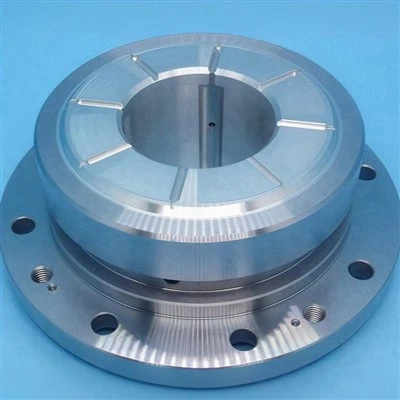
As a supplier of tilting pad thrust bearings, I am committed to working with aerospace industry partners to develop and refine these bearings for use in the aerospace sector. We have a team of experienced engineers and researchers who are dedicated to addressing the challenges of weight, lubrication, and manufacturing complexity.
Thin Walled Babbitt Bearings If you are involved in the aerospace industry and are interested in exploring the use of tilting pad thrust bearings for your applications, I encourage you to reach out to us. We can have in – depth discussions about your specific requirements, conduct feasibility studies, and work together to develop customized solutions. Let’s collaborate to bring the benefits of tilting pad thrust bearings to the aerospace field.
References
- Harris, T. A., & Kotzalas, M. N. (2007). Rolling Bearing Analysis (5th ed.). Wiley.
- Khonsari, M. M., & Booser, E. R. (2001). Applied Tribology: Bearing Design and Lubrication. Wiley.
- Aircraft Design: A Conceptual Approach by Daniel P. Raymer.
Wenzhou Zhengbang Bearing Co., Ltd.
We are one of the most professional tilting pad thrust bearings manufacturers and suppliers in China. With abundant experience, we warmly welcome you to buy customized tilting pad thrust bearings at competitive price from our factory. If you have any enquiry about free sample, please feel free to email us.
Address: Units 1-1 and 3-1, Building 12, Yongxing Nanyuan Small and Micro Enterprise Startup Park, Binhai 2nd Road, Yongxing Subdistrict, Longwan District, Wenzhou City, Zhejiang Province.
E-mail: zbbearing@zbbearing.com
WebSite: https://www.zb-bearings.com/
