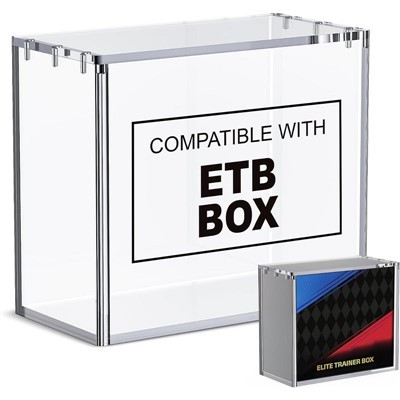
Labeling an acrylic box might seem like a trivial task at first glance, but it plays a crucial role in enhancing the product’s appeal, conveying important information, and establishing brand identity. As an experienced acrylic box supplier, I’ve witnessed firsthand how proper labeling can transform an ordinary box into a marketing powerhouse. In this blog post, I’ll share some valuable insights and practical tips on how to label an acrylic box effectively. Acrylic Box
Understanding the Purpose of Labeling
Before diving into the technical aspects of labeling, it’s essential to understand the purpose behind it. Labels on acrylic boxes serve multiple functions, including:
- Branding: A well-designed label can showcase your brand logo, colors, and tagline, helping to build brand recognition and loyalty.
- Product Information: Labels provide essential details about the product inside the box, such as its name, ingredients, usage instructions, and safety warnings.
- Marketing: Eye-catching labels can attract customers’ attention and persuade them to make a purchase. They can also highlight special features or promotions to increase the perceived value of the product.
- Identification: Labels help in identifying the contents of the box, making it easier for customers to find what they’re looking for and for retailers to manage their inventory.
Choosing the Right Labeling Method
There are several labeling methods available for acrylic boxes, each with its own advantages and limitations. The choice of method depends on factors such as the design complexity, budget, durability requirements, and production volume. Here are some common labeling methods:
- Printed Labels: Printed labels are one of the most popular options for acrylic boxes. They offer high-quality graphics, vibrant colors, and precise details. You can choose from various printing techniques, including digital printing, offset printing, and screen printing. Digital printing is ideal for small quantities and variable data printing, while offset printing is more suitable for large-scale production. Screen printing, on the other hand, provides a durable and long-lasting finish, making it suitable for outdoor or high-traffic applications.
- Direct Printing: Direct printing involves printing directly onto the surface of the acrylic box using specialized printers. This method eliminates the need for separate labels, resulting in a seamless and professional look. Direct printing is ideal for simple designs and small quantities, as it offers greater flexibility and faster turnaround times. However, it may not be suitable for complex designs or large-scale production due to its limited color options and higher cost per unit.
- Etching and Engraving: Etching and engraving are permanent labeling methods that involve creating a raised or recessed design on the surface of the acrylic box. Etching is done by using a chemical or laser to remove a thin layer of the acrylic, while engraving involves cutting into the surface using a mechanical tool. These methods offer a high level of durability and resistance to wear and tear, making them suitable for products that require long-term labeling. However, they are more expensive and time-consuming than other labeling methods and may not be suitable for complex designs.
- Adhesive Vinyl Labels: Adhesive vinyl labels are a cost-effective and versatile labeling option for acrylic boxes. They are made of a thin, flexible material that can be easily cut and applied to the surface of the box. Adhesive vinyl labels offer a wide range of colors, finishes, and textures, making them suitable for various design styles and applications. They are also easy to remove and replace, making them ideal for temporary or promotional labeling. However, they may not be as durable as other labeling methods and may peel or fade over time.
Designing an Effective Label
Once you’ve chosen the right labeling method, it’s time to design an effective label that will capture your customers’ attention and convey your message clearly. Here are some tips to help you design a label that stands out:
- Keep it Simple: A cluttered label can be overwhelming and difficult to read. Keep your design simple and focused, using clear and concise text and graphics. Use a maximum of two or three fonts and limit the use of colors to avoid creating a chaotic look.
- Use High-Quality Images: If you’re using images on your label, make sure they are high-quality and relevant to your product. Avoid using low-resolution or pixelated images, as they can make your label look unprofessional.
- Highlight Key Information: Make sure the most important information on your label, such as the product name, brand logo, and key selling points, is prominently displayed. Use bold fonts, contrasting colors, and larger sizes to draw attention to these elements.
- Consider the Placement: The placement of your label on the acrylic box can have a significant impact on its visibility and effectiveness. Consider the shape and size of the box, as well as the orientation of the label, to ensure that it is easily readable and visible from all angles.
- Test Your Design: Before printing your labels in large quantities, it’s a good idea to test your design on a small sample of acrylic boxes. This will allow you to see how the label looks in real life and make any necessary adjustments before committing to a full production run.
Applying the Label
Once you’ve designed and printed your label, it’s time to apply it to the acrylic box. Here are some tips to help you apply the label smoothly and evenly:
- Clean the Surface: Before applying the label, make sure the surface of the acrylic box is clean and free of dust, dirt, and fingerprints. Use a mild detergent and a soft cloth to clean the surface, and then dry it thoroughly with a clean, lint-free cloth.
- Peel the Backing: Carefully peel the backing off the label, starting from one corner. Hold the label by the edges and avoid touching the adhesive side, as this can cause fingerprints and smudges.
- Align the Label: Place the label on the acrylic box, aligning it with the desired position. Use a ruler or a straight edge to ensure that the label is straight and centered.
- Apply the Label: Starting from one end, slowly press the label onto the surface of the acrylic box, using a squeegee or a credit card to smooth out any air bubbles or wrinkles. Work your way across the label, applying even pressure to ensure that it adheres firmly to the surface.
- Trim the Excess: Once the label is applied, use a sharp knife or scissors to trim any excess material around the edges of the label. Be careful not to cut into the label or the acrylic box.
Maintaining the Label
To ensure that your label remains in good condition and continues to look its best, it’s important to take proper care of it. Here are some tips to help you maintain the label:
- Avoid Abrasion: Avoid rubbing or scratching the label with rough or sharp objects, as this can damage the surface and cause it to peel or fade.
- Clean the Label: If the label gets dirty, use a mild detergent and a soft cloth to clean it. Avoid using abrasive cleaners or solvents, as these can damage the label and the acrylic box.
- Protect the Label: If the acrylic box is going to be exposed to sunlight, heat, or moisture, consider using a protective coating or laminate to prevent the label from fading or peeling.
- Replace the Label: Over time, the label may start to show signs of wear and tear. If this happens, replace the label with a new one to ensure that your product continues to look its best.
Conclusion
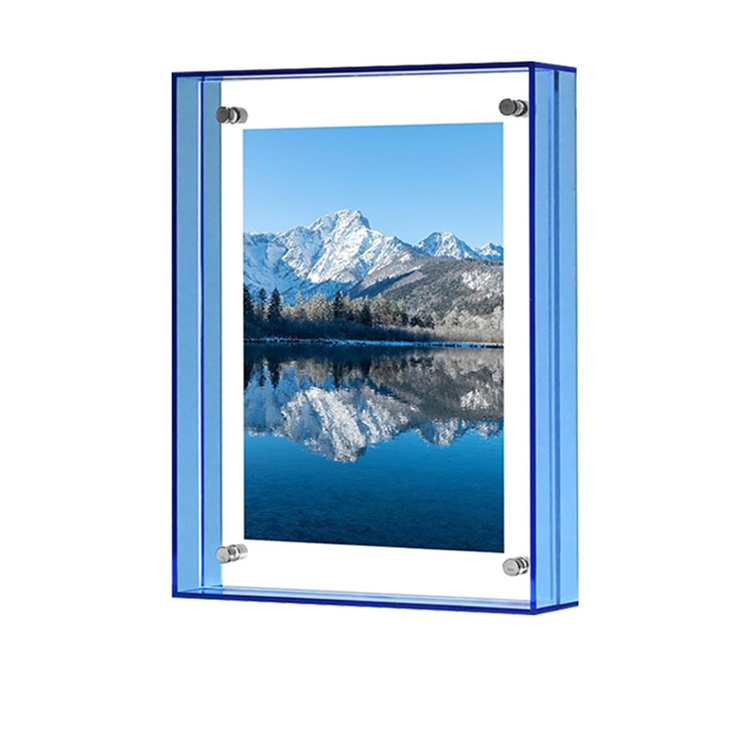
Labeling an acrylic box is an important step in the product packaging process that can have a significant impact on the product’s appeal, functionality, and brand identity. By understanding the purpose of labeling, choosing the right labeling method, designing an effective label, applying it correctly, and maintaining it properly, you can create a label that stands out and helps your product succeed in the marketplace.
Acrylic Table Tent If you’re interested in learning more about our acrylic boxes or our labeling services, please don’t hesitate to contact us. We’d be happy to discuss your specific needs and provide you with a customized solution that meets your requirements.
References
- Packaging Machinery Manufacturers Institute. (n.d.). Labeling Basics. Retrieved from [Website Name]
- Smith, J. (2020). The Art of Label Design. New York: Design Press.
- Wilson, A. (2019). Acrylic Packaging: Trends and Innovations. Packaging World Magazine, 45(6), 32-37.
Wenzhou Daoqin Crafts Co., Ltd.
With abundant experience, we are one of the most professional acrylic box manufacturers and suppliers in China. Please rest assured to wholesale bulk customized acrylic box from our factory. If you have any enquiry about quotation and free sample, please feel free to email us.
Address: Room 401, Building 5, Wanyang Innovation City, No. 9 Yangyu Road, Binhai New Area, Pingyang County, Wenzhou City, Zhejiang Province, China
E-mail: wzdaoqin@163.com
WebSite: https://www.wzacrylic.com/
