Selecting the appropriate feeder for a feeding and discharging system is a critical decision that can significantly impact the efficiency, productivity, and overall performance of your operations. As a seasoned supplier of feeding and discharging systems, I understand the complexities involved in this process. In this blog, I will share my insights on how to make an informed choice when selecting a feeder for your specific needs. Feeding and Discharging System
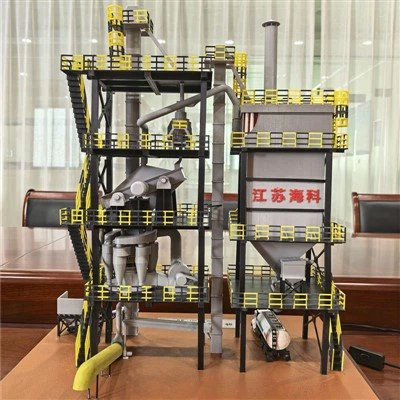
Understanding the Basics of Feeders
Before delving into the selection process, it’s essential to have a clear understanding of what feeders are and how they function. Feeders are devices used to transfer materials from one point to another in a controlled manner. They are commonly used in various industries, including mining, agriculture, food processing, and manufacturing, to ensure a consistent and accurate flow of materials.
There are several types of feeders available in the market, each designed to handle different types of materials and applications. Some of the most common types include:
- Vibratory Feeders: These feeders use vibration to move materials along a trough or track. They are suitable for handling a wide range of materials, including powders, granules, and small parts.
- Belt Feeders: Belt feeders use a conveyor belt to transport materials. They are commonly used for handling bulk materials, such as coal, ore, and gravel.
- Screw Feeders: Screw feeders use a rotating screw to move materials through a tube or trough. They are ideal for handling powders and granular materials and can be used for both horizontal and vertical feeding.
- Apron Feeders: Apron feeders use a series of overlapping plates or aprons to transport materials. They are suitable for handling heavy and abrasive materials, such as large rocks and ores.
Factors to Consider When Selecting a Feeder
When selecting a feeder for your feeding and discharging system, several factors need to be considered to ensure that you choose the right one for your specific needs. Here are some of the key factors to keep in mind:
1. Material Characteristics
The first step in selecting a feeder is to understand the characteristics of the material you will be handling. This includes factors such as the material’s density, particle size, shape, and flowability. For example, if you are handling a free-flowing powder, a vibratory feeder may be the most suitable option. On the other hand, if you are handling a sticky or cohesive material, a screw feeder or a belt feeder with a special lining may be required.
2. Flow Rate Requirements
The flow rate requirements of your feeding and discharging system are another important consideration. You need to determine the maximum and minimum flow rates that you need to achieve and select a feeder that can handle these rates. It’s also important to consider the accuracy and consistency of the flow rate, as this can have a significant impact on the quality and efficiency of your operations.
3. Capacity and Throughput
The capacity and throughput of the feeder are also critical factors to consider. You need to select a feeder that can handle the volume of material that you need to process within a given time frame. This will depend on factors such as the size of your operation, the production rate, and the type of material you are handling.
4. Installation and Space Constraints
The installation and space constraints of your facility need to be taken into account when selecting a feeder. You need to ensure that the feeder can be installed in the available space and that it can be integrated with the rest of your feeding and discharging system. This may require considering factors such as the feeder’s size, shape, and weight, as well as the location of the installation.
5. Maintenance and Reliability
Maintenance and reliability are important considerations when selecting a feeder. You need to choose a feeder that is easy to maintain and has a low risk of breakdowns. This will help to minimize downtime and ensure the continuous operation of your feeding and discharging system. Look for feeders that are made from high-quality materials and have a proven track record of reliability.
6. Cost
Finally, the cost of the feeder is an important factor to consider. You need to select a feeder that fits within your budget while still meeting your requirements. However, it’s important to remember that the cheapest option may not always be the best option in the long run. Consider the total cost of ownership, including the initial purchase price, installation costs, maintenance costs, and energy consumption, when making your decision.
Steps to Select the Appropriate Feeder
Now that you have a better understanding of the factors to consider when selecting a feeder, here are the steps you can follow to make an informed choice:
1. Define Your Requirements
The first step is to clearly define your requirements for the feeding and discharging system. This includes determining the type of material you will be handling, the flow rate requirements, the capacity and throughput, the installation and space constraints, the maintenance and reliability requirements, and the budget.
2. Research and Evaluate Feeder Options
Once you have defined your requirements, the next step is to research and evaluate different feeder options. Look for feeders that are suitable for the type of material you will be handling and that can meet your flow rate, capacity, and throughput requirements. Consider the features and benefits of each feeder, as well as the reputation and experience of the manufacturer.
3. Request Quotes and Samples
After you have shortlisted a few feeder options, request quotes and samples from the manufacturers. This will allow you to compare the prices and features of different feeders and to evaluate the quality of the materials and workmanship. You can also ask for references from other customers who have used the feeders to get an idea of their performance and reliability.
4. Conduct a Site Visit
If possible, conduct a site visit to the manufacturer’s facility to see the feeders in action. This will give you an opportunity to see how the feeders are manufactured, to test the feeders with your own materials, and to ask any questions you may have. You can also meet with the manufacturer’s technical team to discuss your specific requirements and to get their advice on the best feeder for your application.
5. Make a Decision
Based on your research, evaluation, and site visit, make a decision on the feeder that best meets your requirements. Consider the total cost of ownership, the quality and reliability of the feeder, the manufacturer’s reputation and support, and the ease of installation and maintenance. Once you have made your decision, place your order and work with the manufacturer to ensure a smooth installation and commissioning process.
Conclusion
Selecting the appropriate feeder for your feeding and discharging system is a critical decision that requires careful consideration of several factors. By understanding the basics of feeders, considering the material characteristics, flow rate requirements, capacity and throughput, installation and space constraints, maintenance and reliability, and cost, you can make an informed choice that will ensure the efficiency, productivity, and overall performance of your operations.
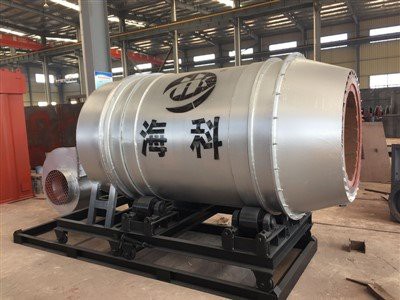
Hot Air Furnaces As a supplier of feeding and discharging systems, I am committed to providing our customers with the highest quality feeders and the best possible service. If you have any questions or need further assistance in selecting the appropriate feeder for your application, please do not hesitate to contact us. We would be happy to discuss your requirements and to provide you with a customized solution that meets your needs.
References
- "Feeder Selection Guide," Manufacturer’s Handbook of Feeding and Conveying Equipment, 2023.
- "Material Handling Handbook," Third Edition, John Wiley & Sons, 2022.
- "Industrial Feeding and Discharging Systems: Design and Operation," CRC Press, 2021.
Jiangsu Haike Environmental Tech Co., Ltd.
As one of the most professional feeding and discharging system manufacturers and suppliers in China, we’re featured by quality products and good service. Please rest assured to wholesale customized feeding and discharging system at competitive price from our factory. Contact us for quotation.
Address: No.1, Wei’er Branch Road, Shanggang Industrial Park, Jianhu County, Yancheng City, Jiangsu Province, China
E-mail: 17388487000@163.com
WebSite: https://www.jshkhbwm.com/
