In the automotive industry, plastic parts have become increasingly vital due to their light – weight, corrosion – resistance, and design flexibility. As a dedicated automotive plastic parts supplier, I’m often asked about the radiation resistance requirements for these components. In this blog, I’ll delve into the significance of radiation resistance in automotive plastic parts, the influencing factors, the relevant standards, and how we, as a supplier, can meet these requirements. Automotive Plastic Parts

The Significance of Radiation Resistance in Automotive Plastic Parts
Radiation exposure in the automotive context mainly comes from two sources: solar radiation and electronic radiation. Solar radiation includes ultraviolet (UV) rays, infrared (IR) rays, and visible light. Prolonged exposure to these radiations can cause significant damage to plastic parts. For example, UV rays have high energy and can break the chemical bonds in polymers, leading to chain scission and cross – linking. This results in a series of negative effects on plastic parts, such as color fading, surface cracking, and loss of mechanical properties. These changes not only affect the aesthetic appearance of the vehicle but also pose a threat to the structural integrity and safety of the parts.
Electronic radiation, on the other hand, is prevalent in modern vehicles due to the increasing number of electronic devices. The electromagnetic radiation emitted by these devices can interfere with the performance of plastic parts, especially those that are used in close proximity to sensitive electronic components. For instance, in the dashboard area, where multiple sensors and displays are installed, the plastic enclosures need to have good radiation – shielding properties to prevent electromagnetic interference (EMI) and ensure the normal operation of the electronic systems.
Factors Affecting the Radiation Resistance of Automotive Plastic Parts
- Polymer Type
Different polymers have varying degrees of radiation resistance. For example, polyethylene (PE) and polypropylene (PP) are commonly used in automotive applications because they are relatively inexpensive and easy to process. However, they have poor UV resistance and can degrade quickly when exposed to sunlight. In contrast, polycarbonate (PC) has excellent UV resistance and transparency, making it suitable for applications such as automotive headlight lenses. Fluoropolymers, like polytetrafluoroethylene (PTFE), also exhibit high radiation resistance due to the strong carbon – fluorine bonds in their molecular structure. - Additives
Additives play a crucial role in enhancing the radiation resistance of plastic parts. UV stabilizers are one of the most important additives for improving the UV resistance of polymers. They work by absorbing or scattering UV radiation, preventing it from reaching the polymer chains. There are two main types of UV stabilizers: organic and inorganic. Organic UV stabilizers, such as hindered amine light stabilizers (HALS), are widely used because they can provide long – term protection. Inorganic additives, like titanium dioxide (TiO₂), not only act as UV absorbers but also improve the whiteness and opacity of the plastic.
For EMI shielding, conductive additives are added to the polymer matrix. Carbon black, carbon fibers, and metal particles are commonly used conductive additives. These additives form a conductive network within the plastic, allowing the electromagnetic waves to be absorbed or reflected, thus reducing the electromagnetic interference.
- Processing Conditions
The processing conditions during the manufacturing of plastic parts can also affect their radiation resistance. For example, the injection molding temperature, pressure, and cooling rate can influence the molecular orientation and crystallinity of the polymer. A properly processed part with a more uniform molecular structure generally has better radiation resistance. Moreover, post – processing treatments, such as annealing, can relieve internal stresses in the plastic and improve its overall performance and radiation resistance.
Radiation Resistance Standards for Automotive Plastic Parts
There are several international and national standards that specify the radiation resistance requirements for automotive plastic parts. For UV resistance, the SAE J1960 standard is widely recognized in the automotive industry. This standard uses a Xenon arc lamp to simulate sunlight, and the plastic parts are exposed to the simulated sunlight for a specified period. The performance of the parts after exposure is evaluated based on factors such as color change, gloss loss, and surface cracking.
In terms of EMI shielding, the ASTM D4935 standard is often used to measure the electromagnetic shielding effectiveness of materials. This standard provides a method for evaluating the attenuation of electromagnetic waves by a material in the frequency range from 30 MHz to 1.5 GHz. Automotive manufacturers typically require plastic parts used in EMI – sensitive areas to meet certain shielding effectiveness levels, depending on the specific application.
How Our Company Meets the Radiation Resistance Requirements
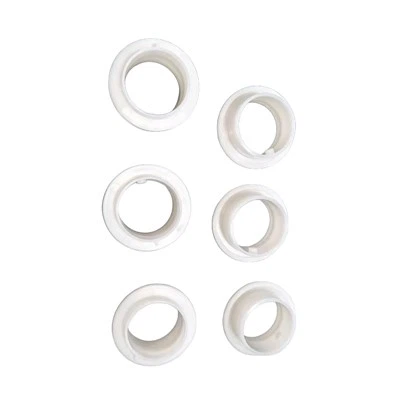
As a professional automotive plastic parts supplier, we are committed to providing high – quality products that meet the strict radiation resistance requirements of the automotive industry.
- Material Selection
We carefully select polymers with good inherent radiation resistance properties. For UV – exposed parts, we often choose polymers such as PC or acrylonitrile – butadiene – styrene (ABS) with high – performance UV – resistant additives. For EMI – shielding applications, we use polymers filled with conductive additives to achieve the desired shielding effectiveness. - Additive Formulation
Our R & D team is constantly working on developing optimized additive formulations. We conduct in – depth research on the interaction between different additives and polymers to ensure that the additives can effectively enhance the radiation resistance of the plastic parts without sacrificing other important properties, such as mechanical strength and processability. - Quality Control
We have a comprehensive quality control system in place to ensure that every plastic part meets the radiation resistance requirements. Our quality control process includes raw material testing, in – process inspection, and final product testing. We use advanced testing equipment, such as UV weathering chambers and EMI shielding measurement devices, to accurately evaluate the radiation resistance of our products.
Conclusion
Wing Mirror Plastic In conclusion, radiation resistance is a critical property for automotive plastic parts. The requirements for radiation resistance are driven by the need to ensure the long – term performance, safety, and aesthetics of vehicles. As an automotive plastic parts supplier, we understand the importance of meeting these requirements and are dedicated to providing high – quality products. If you are in the automotive industry and are looking for reliable plastic parts with excellent radiation resistance, we would be more than happy to have a discussion with you. Whether you need a large – scale production of standard automotive plastic parts or customized solutions, our team of experts and state – of – the – art manufacturing facilities can meet your needs. Contact us for a procurement consultation, and let’s work together to create high – quality automotive plastic parts.
References
- ASTM International. ASTM D4935 – 18 Standard Test Method for Measuring the Electromagnetic Shielding Effectiveness of Planar Materials.
- Society of Automotive Engineers (SAE). SAE J1960 – 2014 Accelerated Exposure of Automotive Exterior Materials Using a Controlled Irradiance Water – Cooled Xenon – Arc Apparatus.
- Wypych, G. (2004). Handbook of UV Degradation and Stabilization. ChemTec Publishing.
Ningbo Xiaohua Plastic Industry Co., Ltd.
We are one of the most experienced automotive plastic parts manufacturers and suppliers in China, specialized in providing high quality customized service to global clients. We warmly welcome you to wholesale durable automotive plastic parts in stock here from our factory.
Address: No. 878, Gulin Section, Yinxian Avenue, Haishu District, Ningbo City, Zhejiang Province
E-mail: 13736009355@163.com
WebSite: https://www.cnxiaohua.com/
