A centrifugal slurry pump is a crucial piece of equipment in various industries, especially those dealing with abrasive and high – density slurries. As a slurry pump supplier, I’ve had the privilege of understanding these pumps inside out. In this blog, I’ll delve into the working principle of a centrifugal slurry pump, its components, and how it serves different industrial needs. Slurry Pump

Basic Structure of a Centrifugal Slurry Pump
Before we get into the working principle, it’s essential to understand the main components of a centrifugal slurry pump. A typical centrifugal slurry pump consists of an impeller, a casing, a shaft, and bearings.
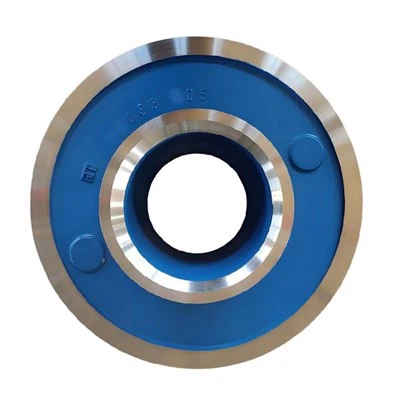
The impeller is the heart of the pump. It is a rotating component with vanes that are designed to impart energy to the slurry. The shape and design of the impeller can vary depending on the application. For example, open impellers are often used for handling slurries with large particles, as they are less likely to clog. Closed impellers, on the other hand, are more efficient and are suitable for slurries with smaller particles.
The casing is the outer housing of the pump that encloses the impeller. It is designed to collect the slurry as it is thrown out by the impeller and direct it towards the outlet. The casing also helps to convert the kinetic energy of the slurry into pressure energy.
The shaft connects the impeller to the motor. It transfers the rotational power from the motor to the impeller, allowing the impeller to spin at high speeds. Bearings support the shaft and reduce friction, ensuring smooth operation of the pump.
Working Principle of a Centrifugal Slurry Pump
The working principle of a centrifugal slurry pump is based on the conversion of mechanical energy into kinetic energy and then into pressure energy. Here’s a step – by – step breakdown of how it works:
1. Priming
Before the pump can start working effectively, it needs to be primed. Priming involves filling the pump casing with the slurry or a compatible liquid. This is necessary because if the pump is not primed, air pockets can form inside the casing, which can prevent the pump from creating the necessary suction. When the pump is primed, the slurry fills the casing and the impeller, eliminating any air gaps.
2. Rotation of the Impeller
Once the pump is primed, the motor is started, which causes the shaft to rotate. As the shaft rotates, the impeller attached to it also starts spinning at high speeds. The rotation of the impeller creates a centrifugal force. Centrifugal force is the outward force that acts on an object moving in a circular path. In the case of the impeller, this force causes the slurry to move from the center of the impeller towards the outer edges.
3. Kinetic Energy Transfer
As the slurry moves towards the outer edges of the impeller, it gains kinetic energy. The vanes on the impeller help to guide the slurry and increase its velocity. The faster the impeller rotates, the more kinetic energy the slurry gains. This kinetic energy is a result of the mechanical energy provided by the motor.
4. Pressure Generation
After the slurry leaves the impeller, it enters the casing. The casing is designed in such a way that it gradually expands in cross – section. As the slurry moves through the expanding casing, its velocity decreases, and according to Bernoulli’s principle, the pressure of the slurry increases. This increase in pressure allows the slurry to be pumped through the discharge pipe to the desired location.
Applications of Centrifugal Slurry Pumps
Centrifugal slurry pumps are used in a wide range of industries due to their ability to handle abrasive and high – density slurries. Some of the common applications include:
Mining Industry
In the mining industry, centrifugal slurry pumps are used to transport slurries containing minerals, such as coal, copper, and gold. These slurries are often highly abrasive and can cause significant wear to the pump components. However, with the right design and materials, centrifugal slurry pumps can effectively handle these challenging slurries.
Chemical Industry
The chemical industry uses centrifugal slurry pumps to transfer corrosive and abrasive chemicals. These pumps are designed to be resistant to corrosion and can handle a variety of chemical slurries, ensuring the safe and efficient transfer of chemicals within the plant.
Power Generation
In power plants, centrifugal slurry pumps are used to handle fly ash slurries. Fly ash is a by – product of coal combustion, and it needs to be transported from the power plant to storage facilities. Centrifugal slurry pumps can handle the high – density fly ash slurries, making them an essential part of the power generation process.
Advantages of Centrifugal Slurry Pumps
There are several advantages to using centrifugal slurry pumps in industrial applications:
High Flow Rates
Centrifugal slurry pumps can achieve high flow rates, making them suitable for large – scale operations. They can handle large volumes of slurry in a relatively short period, increasing the efficiency of the production process.
Versatility
These pumps can handle a wide range of slurry types, from low – density to high – density slurries, and from fine – grained to coarse – grained particles. This versatility makes them suitable for various industries and applications.
Ease of Maintenance
Centrifugal slurry pumps are relatively easy to maintain. Their simple design allows for easy access to components, making it easier to replace worn parts and perform routine maintenance tasks.
Challenges and Solutions
While centrifugal slurry pumps offer many advantages, they also face some challenges, mainly related to wear and corrosion. The abrasive nature of slurries can cause significant wear to the impeller, casing, and other components of the pump. Corrosion can also occur when the slurry contains corrosive chemicals.
To address these challenges, manufacturers use wear – resistant materials, such as high – chrome alloys, for the impeller and casing. These materials can withstand the abrasive action of the slurry and extend the life of the pump. Additionally, coatings can be applied to the pump components to protect them from corrosion.
Conclusion
As a slurry pump supplier, I’ve seen firsthand the importance of centrifugal slurry pumps in various industries. Their ability to handle abrasive and high – density slurries makes them an indispensable part of many industrial processes. Understanding the working principle of these pumps is crucial for their proper operation and maintenance.
Slurry Pump If you’re in need of a reliable centrifugal slurry pump for your industrial application, I’d be more than happy to discuss your specific requirements. Whether you’re in the mining, chemical, or power generation industry, we have the expertise and a wide range of pumps to meet your needs. Contact us to start a procurement discussion and find the perfect slurry pump solution for your business.
References
- Gulich, J. F. (2010). Centrifugal Pumps. Springer.
- Stepanoff, A. J. (1957). Centrifugal and Axial Flow Pumps: Theory, Design, and Application. Wiley.
Shijiazhuang Ruite Pump Co., Ltd.
Shijiazhuang Ruite Pump Co., Ltd. is one of the most experienced slurry pump manufacturers and suppliers in China. Please rest assured to wholesale high quality slurry pump made in China here from our factory. For price consultation, contact us.
Address: Majuan village, Nandong town, Gaocheng, Shijiazhuang, China
E-mail: info@ruitepump.com
WebSite: https://www.rtslurrypump.com/
