Hey everyone, Tom here, and I’m the guy who’s been running the malleable iron pipe fittings supplier spot for over 12 years now. Most days, I’m on the shop floor fixing a jig, answering a random text from a regular, or geeking out over the latest industry code updates. This week, I got a call out of the blue that stuck with me: a food processing plant supervisor was on the line, asking a question I’ve heard a hundred times but never really broke down like I wanted to: “Can I actually use malleable iron pipe fittings in food-processing industries?” Malleable Iron Pipe Fittings
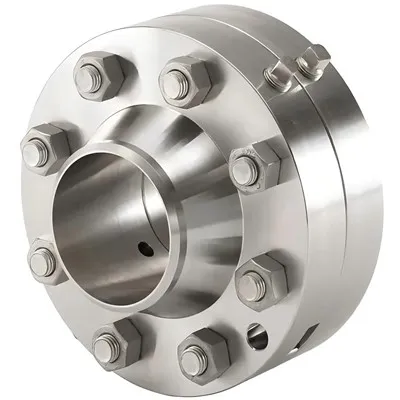
Let me cut to the chase—this is not a straight yes/no question, and that’s why it’s such a big deal, especially when you’re dealing with food, where one wrong part can lead to cross-contamination, safety issues, or even shutdowns that cost way more than just a bad fitting. A lot of people in this space mix up malleable iron with other metals, or just hear “iron” and assume it’s rusty and gross. Let’s set the record straight, no fancy jargon, just the real stuff we deal with every day.
First off, let’s remember what malleable iron actually is, because not everyone knows. It’s not the raw, brittle cast iron your grandma used for old radiator pipes. We heat carbon-rich iron to super high temps, then slow cool it so the carbon forms tiny, soft graphite nodules instead of hard, flaky chips. That makes it malleable—bendable, tough, able to take pressure and vibration without cracking. It’s way stronger than plain steel in small sizes, perfect for tight, high-pressure runs that food plants use for water, steam, or compressed air. That core strength is why it’s been a go-to for plumbing and industrial piping for decades.
Now, the food processing angle. The big concerns here are twofold: first, will the fitting leach anything into the food or process fluid, and second, will it hold up to the harsh conditions food plants throw at it. Let’s start with the leach part because that’s the non-negotiable. If a fitting adds gunk to your milk, beer, or veggies, that’s a no-go, full stop.
For years, people’s default for food-grade piping has been stainless steel, and for good reason. But here’s the thing: not all stainless is food-grade, and not all malleable iron is bad for food use. The key is the coating. Most basic malleable iron fittings we sell for general plumbing have a black iron finish, which is just raw iron with a thin oxide layer to slow rust—not food-safe at all. If you use those next to food, they’ll flake, rust, and get contaminants into your process lines. That’s a hard no. But we also make hot-dip galvanized malleable iron, and even more importantly, our epoxy-coated malleable iron fittings specifically formulated for food and beverage applications. Those use a food-grade epoxy that NSF certified, meet FDA standards for materials that touch food, so they won’t leach, corrode, or flake into anything moving through the pipe. I’ll be honest, a few years back we tested a batch of our epoxy fittings with a local craft brewery that was having issues with regular galvanized fittings leaving a metallic taste in their lagers. Switched ‘em to our food-grade malleable iron parts, and they haven’t had a complaint since. That’s the kind of win we live for.
But wait, it’s not just the coating. You also have to look at the application in the food plant. A lot of food processing lines have different zones. For example, a packaging line that uses compressed air is totally different from a mixing vat that holds raw tomato sauce. Let’s break down where malleable iron works, and where it’s better to stick with something else.
First, where it works great: non-potable water lines, compressed air, steam lines, and even some process lines that aren’t direct food contact. Wait, hold on—direct vs. indirect food contact is a huge line that a lot of people miss. Direct contact is when the pipe is actually holding the food, like a line for pumping syrup into soda mixers. Indirect is when the pipe is near food, like a steam line used to heat a vat of cheese that’s separated by a wall. For indirect contact, food-grade coated malleable iron is totally fine. We’ve got a big client that runs three poultry processing plants across the Midwest—they use our epoxy-coated malleable iron for all the steam lines that clean their processing floors and heat the scalding tanks. No issues with rust, no cross-contamination, and the fittings hold up way better than the cheaper steel ones they were using before. The durability of malleable iron here is a big plus too—food plants are loud, busy, have a lot of heavy equipment moving around, so pipes get bumped and vibrated a lot. Malleable iron’s toughness means less cracking, less leaks, less downtime. That’s a huge cost saver over time.
Now, where you should probably skip malleable iron. If it’s direct food contact, like a line that’s pumping raw milk, fresh fruit juice, or finished sauces that you’re putting straight into bottles, then food-grade malleable iron can work, but only if you’re doing regular maintenance. Wait, no—actually, some stricter food safety codes prefer stainless steel for direct contact, right? Let me confirm that. Yeah, the FDA and most GFSI (Global Food Safety Initiative) schemes give the green light to epoxy-coated malleable iron for indirect contact, but a lot of plant engineers still default to 304 or 316 stainless for direct, because stainless is naturally corrosion-resistant without needing a coating. That’s fair. Stainless doesn’t need the same level of coating inspection, which is a big plus for busy plants that don’t have time to check every fitting for chips in the epoxy. Also, if your process uses highly acidic or caustic fluids—like citrus juice, vinegar, or cleaning chemicals that are super strong—even food-grade epoxy can break down over time. Malleable iron is still pretty resistant, but stainless steel is better there.
Another big factor is pressure and temperature. Food plants have all kinds of piping: low-pressure water lines, high-pressure steam lines for cleaning, lines for carbonation in soda. Malleable iron handles pressure up to 150 psi for standard fittings, and even higher for heavy-duty ones. That’s more than enough for most food plant lines. Temperature-wise, the epoxy coatings we use hold up to around 200°F, which covers most steam lines and water lines. If you’re working with super hot steam over 250°F, like in some industrial bakeries or canning facilities, then malleable iron might not be the best, because the epoxy can soften or break down. For those, stainless steel or even coated steel pipe is better.
I also want to talk about the myths that I hear all the time. One is that iron rusts, so it’s automatically bad for food. That’s only true if you use the wrong coating. Our food-grade epoxy fittings are tested to withstand regular washdowns—high-pressure hoses with soap and sanitizer, the same stuff food plants use every day. They don’t rust, don’t flake, don’t leave stains. We had a client a couple years back that switched from black iron to our coated malleable iron for their floor drains (wait, floor drains are indirect contact, right? Yeah, they’re near food but not touching it directly) and they stopped having rust stains on their concrete, which was a big win for their health department inspections. Another myth is that malleable iron is more expensive than other options. Wait, no—when you compare the upfront cost vs. the long-term maintenance, malleable iron is actually competitive with stainless steel for a lot of uses. And because it’s tougher, it breaks less, so you’re not spending money on emergency replacements every few months. A lot of small food processing operations, like craft breweries or small bakeries, don’t have the budget for full stainless lines, so malleable iron is a great middle ground.
But let’s get real—no product is one-size-fits-all, and that’s why it’s important to know your plant’s specific needs. If you’re designing a new line, or retrofitting an old one, here’s my quick checklist:
- Is the line direct or indirect food contact? If direct, go with stainless steel if you can afford it, or make sure you use a food-grade, NSF-approved epoxy-coated malleable iron, and do quarterly checks for coating chips or wear.
- What’s the pressure and temperature? If it’s over 150 psi or over 200°F, malleable iron might not cut it—stick to stainless or another high-temp material.
- What’s your process fluid? If it’s acidic, caustic, or has a lot of grit (like ground corn for tortillas), malleable iron is fine, but stainless will last longer.
- Do you have regular washdowns? Make sure the coating is designed for food-grade sanitizers, not just regular cleaning chemicals.
I’ve seen so many plants waste money on the wrong fittings. I had a guy last year from a small canning operation that used cheap black iron fittings for his steam lines. Within six months, the fittings were rusted through, he had leaks that ruined 20 cases of pickles, and had to shut down a whole line for three days to fix it. He called me after that, switched all his lines to our food-grade malleable iron, and saved about 20% on his piping costs vs. stainless, plus hasn’t had a leak in over a year. That’s the kind of story that makes this job worth it.
Another thing to consider: regulations. The FDA Food Safety Modernization Act (FSMA) is the big one for food processing in the US, and it sets standards for materials that come into contact with food. Our food-grade malleable iron fittings meet all FSMA requirements, as well as NSF/ANSI 61 for drinking water, and NSF/ANSI 51 for food equipment materials. That means when a health inspector comes in, you can show them the paperwork, no questions asked. A lot of cheaper malleable iron fittings out there don’t have those certifications, so you have to make sure you’re buying from a supplier that can back up their claims. That’s why a lot of plant managers come to us—we don’t just sell fittings, we give them the certifications and the support they need to pass inspections.
Wait, I also want to mention a common mistake people make when retrofitting: mixing materials. You can’t connect malleable iron to copper or aluminum in food lines, right? Because of galvanic corrosion. When two different metals touch in a moist environment (like all food plants have), they create a small electric current that eats away at one of them. That can lead to leaks and contamination. So if you’re switching some lines to malleable iron, make sure all the connected parts are the same metal, or use a dielectric union in between to separate them. That’s a quick, easy fix that a lot of people miss, so I always remind clients of that.
So to circle back to the original question: Can malleable iron pipe fittings be used in food-processing industries? The answer is a solid yes, but only if you use the right kind for the right application. You can’t use regular black iron or uncoated galvanized malleable iron for food lines, and you can’t use it for direct contact lines that require the highest corrosion resistance. But for indirect contact lines, steam lines, compressed air lines, non-potable water lines, and even some direct contact lines for smaller operations that can handle regular maintenance, it’s a great, cost-effective, durable option.
If you’re a food processing plant manager, engineer, or maintenance supervisor reading this, and you’re not sure whether malleable iron is right for your lines, don’t guess. Don’t take advice from the guy at the local hardware store who only deals with residential plumbing. Talk to someone who specializes in industrial food-grade piping, like me. We can walk you through your specific lines, look at your pressure, temperature, process fluids, and give you a recommendation that’s safe, compliant, and won’t break your budget. We’ve worked with hundreds of food plants, from tiny craft bakeries to big poultry processing facilities, so we know the ins and outs of what works and what doesn’t.
If you’re tired of dealing with fittings that leak, rust, or get you in trouble with health inspectors, reach out. We can send you free samples of our food-grade malleable iron fittings, send someone out to look at your plant’s lines, or answer any questions you have about compliance and application. No sales pitch, no pressure, just real advice from someone who’s been in the game for years.
At the end of the day, food safety is the number one priority for everyone in this space. You don’t want to cut corners on fittings, but you also don’t have to overspend on stainless steel for every line. Malleable iron, when used correctly, checks all the boxes: durable, cost-effective, compliant with all food safety standards, and reliable for all the non-direct contact lines that make up most of a food processing plant’s piping.
So next time you’re planning a piping project or replacing old fittings, give malleable iron a shot—just make sure it’s the food-grade, coated kind. I promise you won’t regret it. And if you have any questions, hit us up, we’re here to help.
Ansi B16.47 Fange References
- NSF International. (2022). NSF/ANSI 51: Food Equipment Materials.
- U.S. Food and Drug Administration (FDA). (2023). Food Contact Substances (FCS) Notification Program.
- Global Food Safety Initiative (GFSI). (2021). Benchmarking Requirements for Food Safety Management Systems.
- Malleable Iron Pipe Fittings Manufacturers Association. (2020). Technical Specification for Malleable Iron Fittings in Industrial Piping Applications.
- Occupational Safety and Health Administration (OSHA). (2022). Process Safety Management of Highly Hazardous Chemicals.
Shanxi Xinshunda Flange Manufacturing Co., Ltd.
As one of the most professional malleable iron pipe fittings manufacturers and suppliers in China, we also support customized service with competitive price. We warmly welcome you to wholesale high quality malleable iron pipe fittings for sale here from our factory. For quotation, contact us now.
Address: Zhunagli Industrial Zone,jinchang Town,dingxiang,shanxi,china
E-mail: sales01@xinflange.com
WebSite: https://www.xinflange.com/
