Yo, what’s up, folks! I’m a supplier of corrugated steel culverts, and I get a ton of questions about the installation requirements for these bad boys. So, I thought I’d put together this blog post to break it all down for you in a way that’s easy to understand. Corrugated Steel Culvert

First things first, let’s talk about what corrugated steel culverts are and why they’re so great. Corrugated steel culverts are basically large pipes made of corrugated steel. The corrugation gives the pipes extra strength and durability, making them perfect for a wide range of applications, including drainage systems, road crossings, and even wildlife passages. They’re lightweight, easy to install, and can be customized to fit your specific needs.
Now, let’s get into the installation requirements. There are a few key things you need to consider before you start installing a corrugated steel culvert.
Site Preparation
The first step in any culvert installation is site preparation. You need to make sure the site is level and free of any debris or obstacles. The ground should be compacted to provide a stable base for the culvert. If the ground is too soft or uneven, the culvert could settle or shift over time, which could cause problems down the road.
You also need to make sure the site has proper drainage. If the water can’t drain away from the culvert, it could cause flooding or damage to the culvert itself. You might need to install a drainage system, such as a French drain or a swale, to help manage the water flow.
Culvert Sizing
Choosing the right size culvert is crucial. You need to consider the amount of water that will be flowing through the culvert, as well as the slope of the land. If the culvert is too small, it could cause water to back up and flood the area. If it’s too big, it could be a waste of money and resources.
There are a few different methods you can use to determine the right size culvert for your project. One common method is to use a hydraulic analysis, which takes into account factors such as the peak flow rate, the slope of the land, and the type of soil. You can also use a sizing chart or consult with a professional engineer to help you make the right decision.
Bedding and Backfill
Once you’ve prepared the site and chosen the right size culvert, it’s time to install the bedding and backfill. The bedding is the material that goes underneath the culvert to provide support and prevent it from settling. The backfill is the material that goes around the sides and on top of the culvert to protect it and hold it in place.
The type of bedding and backfill you use will depend on a few factors, such as the type of soil at the site, the size of the culvert, and the expected traffic load. In general, you’ll want to use a granular material, such as gravel or crushed stone, for the bedding and backfill. This type of material provides good drainage and support.
When installing the bedding and backfill, it’s important to make sure it’s compacted properly. You can use a compactor or a vibratory plate to compact the material. The compaction should be done in layers, with each layer being no more than 6 inches thick.
Joint Sealing
Another important aspect of culvert installation is joint sealing. The joints between the sections of the culvert need to be sealed to prevent water from leaking out. There are a few different types of joint seals you can use, such as rubber gaskets or mastic sealants.
When installing the joint seals, it’s important to make sure they’re installed correctly. You need to follow the manufacturer’s instructions carefully to ensure a proper seal. If the joints aren’t sealed properly, it could cause problems such as water leakage, erosion, or even structural damage to the culvert.
Anchoring and Support
Depending on the location and size of the culvert, you might need to anchor it or provide additional support. This is especially important if the culvert is going to be installed in an area with high water flow or heavy traffic.
There are a few different ways you can anchor or support a culvert. One common method is to use concrete footings or piers. These can be placed at the ends of the culvert or at regular intervals along its length to provide additional support. You can also use straps or cables to anchor the culvert to the ground or to nearby structures.
Inspection and Maintenance
Once the culvert is installed, it’s important to inspect it regularly to make sure it’s in good condition. You should check for any signs of damage, such as cracks, leaks, or corrosion. You should also make sure the culvert is free of debris and that the water is flowing through it properly.
In addition to regular inspections, you’ll also need to perform some maintenance on the culvert over time. This might include cleaning the culvert to remove any debris or sediment, repairing any damage that’s found during the inspections, and replacing any worn or damaged parts.
So, there you have it, folks! Those are the main installation requirements for corrugated steel culverts. If you have any questions or need more information, don’t hesitate to reach out. I’m here to help you get the right culvert for your project and make sure it’s installed correctly.
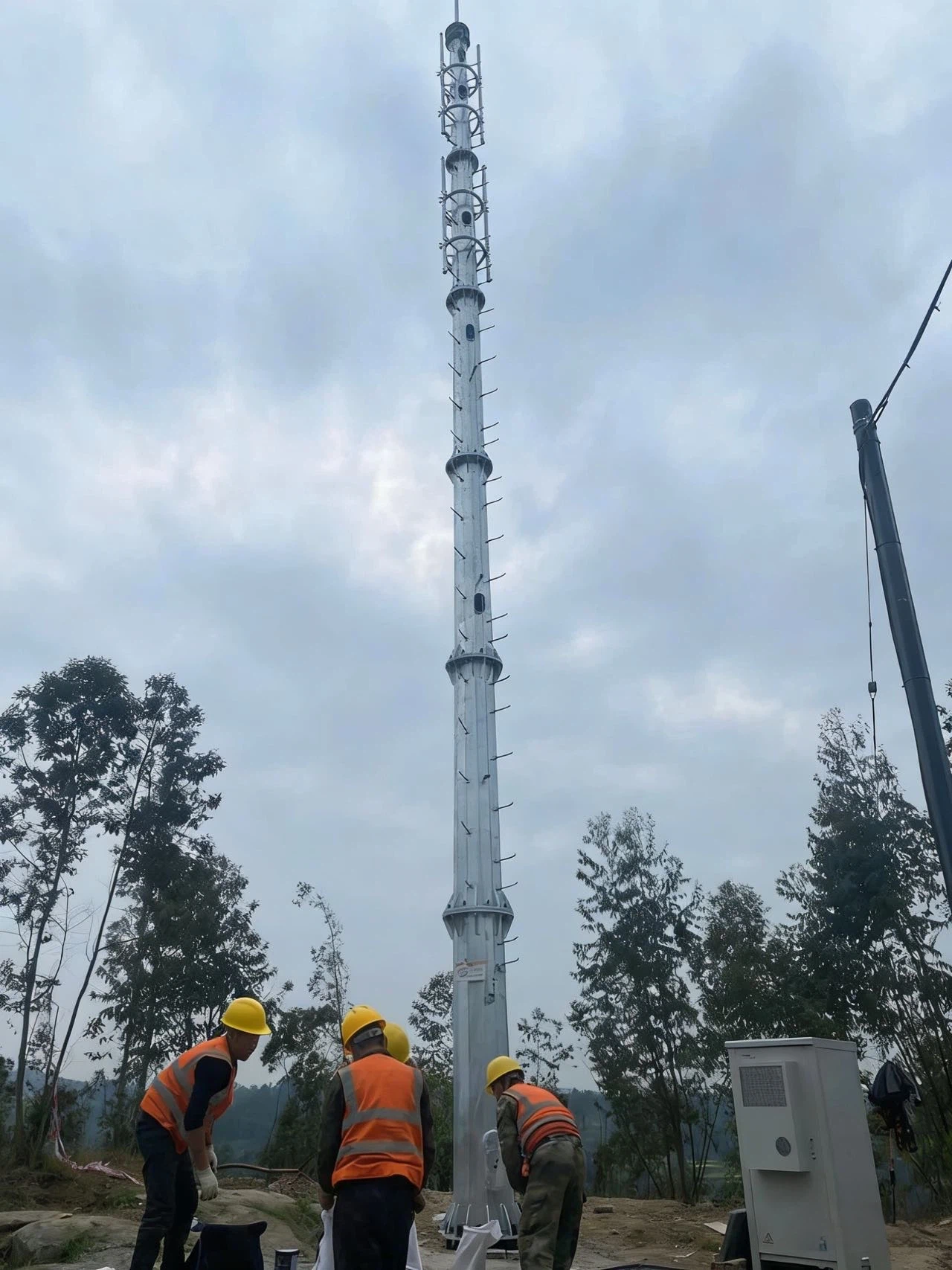
Whether you’re working on a small residential project or a large commercial development, corrugated steel culverts are a great choice. They’re strong, durable, and easy to install, and they can save you time and money in the long run. So, if you’re in the market for a culvert, give me a shout. I’d love to talk to you about your project and see how I can help.
Lightning Protection Steel Tower Let’s get the ball rolling and make your project a success! Drop me a line, and we can start the conversation about your corrugated steel culvert needs.
References
- "Culvert Design Manual." Federal Highway Administration.
- "Standard Specifications for Highway Bridges." American Association of State Highway and Transportation Officials.
- Manufacturer’s installation guides for corrugated steel culverts.
Hebei Yifeng Steel Structure Co., Ltd.
As one of the most professional corrugated steel culvert manufacturers and suppliers in China, we offer a wide range of products with superior quality. Please feel free to buy cost-efficient corrugated steel culvert for sale here from our factory. Contact us for more details.
Address: Guangchuan Town Industrial Zone, Jing County, Hengshui City, Hebei Province
E-mail: hbyfgjg@163.com
WebSite: https://www.yf-powertowers.com/
