Hey there! As a supplier of felt acoustic panels, I get this question a lot: "Can I cut felt acoustic panels to fit my space?" And the short answer is yes, you totally can! But there’s a bit more to it than just grabbing a pair of scissors and going to town. In this blog post, I’m gonna break it down for you, including why you might want to cut the panels, how to do it right, and some tips and tricks along the way. Felt Acoustic Panel

Why You Might Want to Cut Felt Acoustic Panels
First off, let’s talk about why you’d even consider cutting these panels. Well, the most obvious reason is that your space isn’t a perfect fit for the standard panel sizes we offer. Maybe you’ve got a small corner that needs some acoustic treatment, or a custom – shaped area in your recording studio or home theater. Cutting the panels allows you to customize them to fit like a glove.
Another reason could be cost – efficiency. Instead of buying larger panels and having a lot of excess material, you can buy the right amount and cut it as needed. This way, you’re not wasting money on extra panels that you won’t use.
Tools You’ll Need
Before you start cutting, you’ll need to gather the right tools. Here’s what you’ll need:
- Measuring Tape: This is a must – have. You need to measure your space accurately to know how big to cut the panels. A small measurement error can lead to a panel that doesn’t fit properly.
- Straight Edge: Whether it’s a ruler or a straight piece of wood, a straight edge will help you make clean, straight cuts.
- Cutting Tool: You’ve got a few options here. A sharp utility knife is great for making precise cuts. If you’re cutting a large number of panels, a pair of heavy – duty scissors might also do the trick. For thicker felt panels, a jigsaw can be used, but be careful as it can be a bit more difficult to control.
How to Cut Felt Acoustic Panels
Now that you’ve got your tools ready, let’s get into the cutting process.
- Measure Twice, Cut Once: This old saying holds true. Measure the area where you want to install the panel carefully. Mark the measurements on the panel using a pencil or a piece of masking tape. Make sure your marks are clear and accurate.
- Set Up Your Cutting Surface: Find a flat, stable surface to cut on. You don’t want the panel to move around while you’re cutting, as this can result in a jagged or uneven cut. You can place a piece of cardboard or a cutting mat on the surface to protect it from the cutting tool.
- Make the Cut: If you’re using a utility knife, hold the straight edge firmly against the panel along the marked line. Slowly and steadily run the blade of the utility knife along the straight edge, applying enough pressure to cut through the felt. Make a few passes if necessary to ensure a clean cut. If you’re using scissors, start at one end of the marked line and cut along it as smoothly as possible. If you’re using a jigsaw, clamp the panel down securely and follow the marked line slowly.
- Check the Fit: Once you’ve made the cut, test the panel in the intended space. If it’s a bit too big, make small adjustments until it fits perfectly.
Tips and Tricks
- Wear Gloves: Felt can be a bit prickly, especially if you’re handling a lot of it. Wearing gloves will protect your hands from irritation.
- Seal the Edges: After cutting, the edges of the felt panel may fray over time. You can use a fabric sealant or hot glue to seal the edges and prevent fraying.
- Keep the Dust Down: Cutting felt can create a lot of dust. Use a vacuum cleaner or a damp cloth to clean up the area as you go to keep the dust from spreading.
Does Cutting Affect Acoustic Performance?
One concern that some people have is whether cutting the felt acoustic panels will affect their acoustic performance. The good news is that in most cases, cutting the panels won’t have a significant impact on their ability to absorb sound. The acoustic properties of the felt are determined by the material itself, and as long as you don’t cut the panel too thin, it should still work effectively.
However, it’s important to note that if you cut the panel into very small pieces, the overall acoustic performance may be slightly reduced. This is because the smaller pieces may not be able to absorb sound as efficiently as a larger, continuous panel. So, try to make your cuts as large as possible while still fitting your space.
Additional Considerations
- Pattern and Design: If your felt acoustic panels have a pattern on them, you’ll need to be careful when cutting to ensure that the pattern looks good on the cut panel. Try to align the cuts with the pattern for a more aesthetically pleasing result.
- Multiple Panels: If you need to cut multiple panels, make sure you use the same measurements and cutting techniques for each one. This will ensure that all the panels fit together neatly and look consistent in your space.
Conclusion
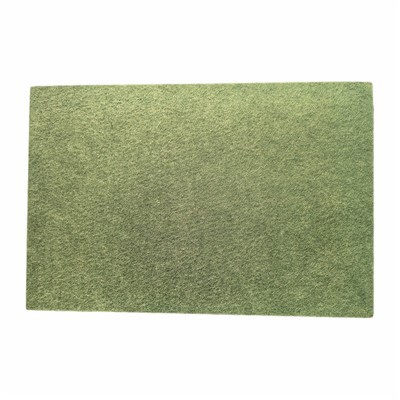
So, there you have it! Cutting felt acoustic panels to fit your space is definitely doable. With the right tools, a bit of patience, and these tips in mind, you can customize the panels to create the perfect acoustic solution for your room.
PET Panels If you’re interested in purchasing our felt acoustic panels or have any questions about the cutting process, feel free to reach out. We’re here to help you make your space sound great! Whether you’re a DIY enthusiast or a professional in the acoustic industry, we’ve got the products and knowledge to support you.
References
- Acoustics Handbook by Cyril M. Harris
- Felt Manufacturing and Applications Journal
Suzhou Trano New Material Technology Co., Ltd.
As one of the most professional felt acoustic panel manufacturers and suppliers in China, we also support customized service. Please feel free to buy bulk high quality felt acoustic panel for sale here from our factory. For price consultation, contact us.
Address: SuZhou
E-mail: info@trano-tech.com
WebSite: https://www.tranofelt.com/
